
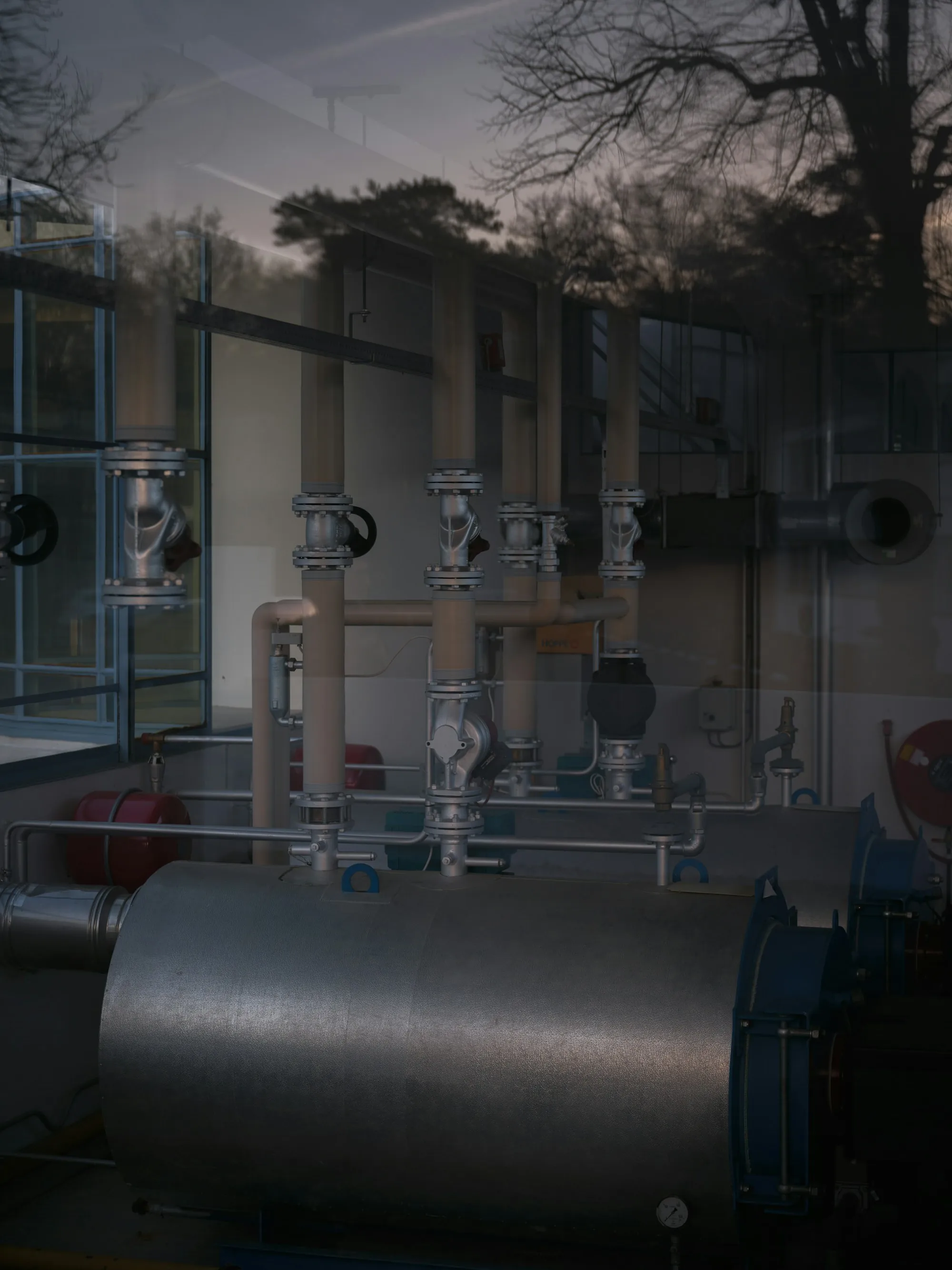
Gas and electric furnaces
Heating and Furnace Repair in Duluth, GA
Furnaces that will not light, blow lukewarm or keep shutting themselves down, traced to the worn component and returned to dependable warmth.
A Furnace Is a Sleeper Until the First Freeze
Picture the furnace as a tenant who dozes through most of the year and then gets handed a double shift the first night the thermometer slips under freezing. That wake-up call is where tired components give themselves away. A gas unit works down a fixed checklist each time it fires: the draft motor spins up, the pressure switch signs off, the igniter heats, gas flows and the flame sensor confirms ignition. Miss one line on that checklist and the control board shuts the burners down, retries, then locks out. All-electric units lean on elements, sequencers and the blower instead. Our technician reads the board's fault code, watches the sequence in person and tests each component on the list until one fails its test. A clogged filter is a frequent troublemaker, letting the cabinet run hot until the high-limit switch cuts things off. One rule overrides everything else: a gas odor means get everyone outdoors and phone the gas utility or 911 before you phone a heating company. With that settled, you get the diagnosis in plain words and the cost of the fix up front.
Where Furnace Tickets Usually Lead
Most heating work orders end up at one of these parts or symptoms.
Nothing lights
Cracked hot surface igniters and worn spark igniters tested and replaced.
Burners drop out
A coated flame sensor that kills the flame seconds after lighting, cleaned or swapped.
Draft inducer faults
Noisy or dead inducer motors, plus the pressure switches that rely on them.
High-limit trips
Overheating from starved airflow traced to the filter, the blower or closed registers.
Weak or silent blower
Motors, capacitors and wheels that keep warm air from reaching the rooms.
Chilly air in heat mode
Fan settings, lockouts and burner faults worked through in a logical order.
Rapid cycling
A furnace firing and quitting too often, checked for the control or airflow cause.
Electric heat elements
Elements, sequencers and relays tested on all-electric furnaces.
Bringing the Heat Back, Step by Step
A safety screen by phone
On the call we ask what you smell, what you hear and how the furnace behaves as it tries to fire. Any hint of gas and you are told to get out and contact the gas company or 911 first.
Follow the startup chain
The technician watches the furnace attempt a start, reads the fault codes and tests each part in sequence. The failed component and its repair price get named before anything is replaced.
Repair, then several cycles
Once the repair is in, the furnace runs several complete cycles while the technician watches the flame, the draft and the safeties.
Why Owners Hand Us Their Heat
Gas safety on every visit
Flue, gas and safety controls get checked each time, not only the part that broke.
The why behind the fault
You learn what failed, what caused it and what keeps it from coming back.
Seven days, plus the night line
Daytime slots every day of the week, and the emergency line for nights without heat.
- Gas odor protocol
- Startup chain tested
- Cost before repair
- Several cycles watched
Silent Furnace and a Cooling House?
Confirm the thermostat says heat and the filter is not clogged, then pick up the phone. A technician will go over the symptoms with you and line up the repair.