
New central air, done properly
AC Installation and Replacement in Duluth
A candid read on whether the old unit should go, then new equipment matched to your rooms, your ductwork and the way your household lives.
Keep Nursing It, or Change It Out?
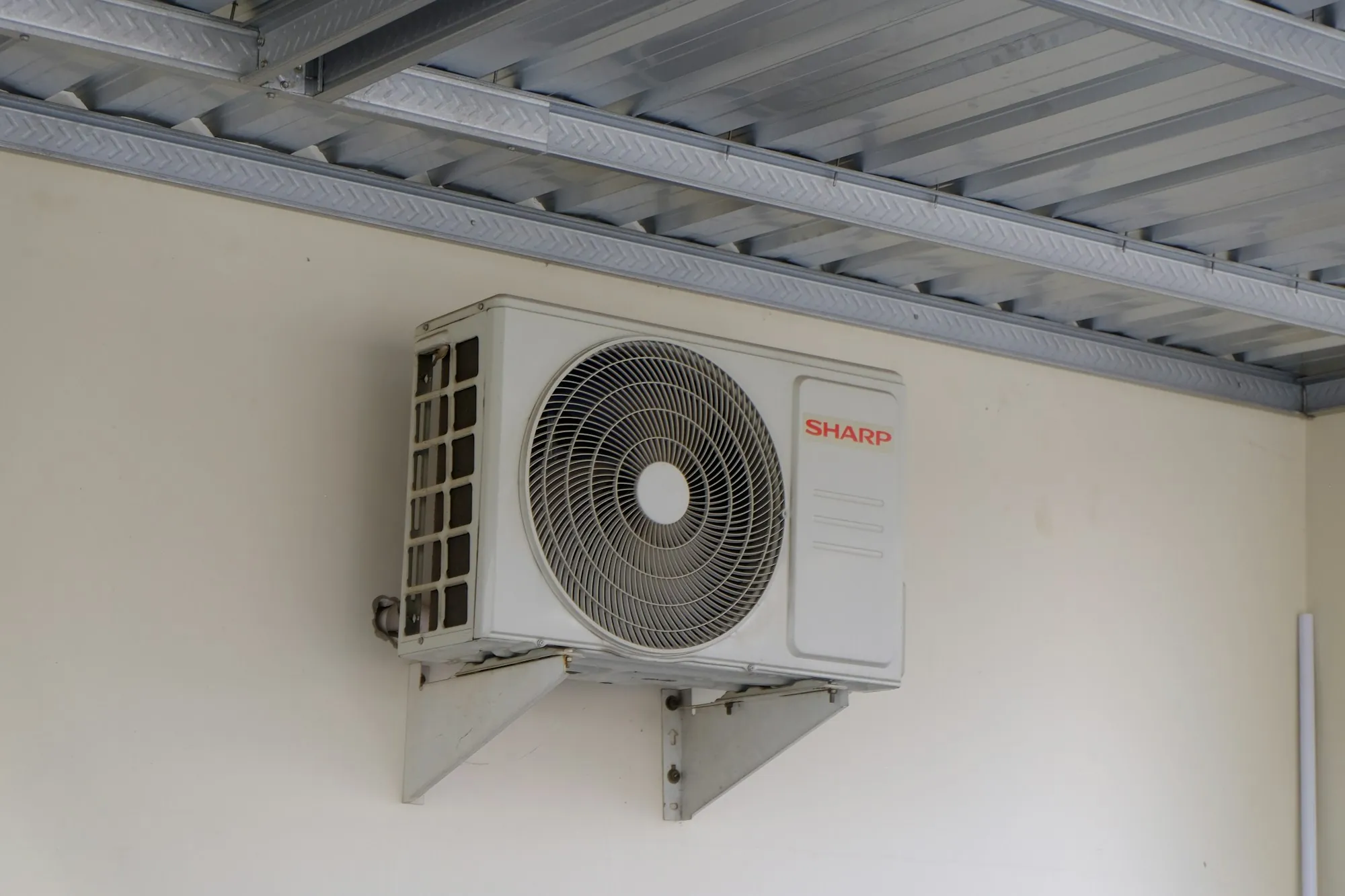
Replacing a condenser too soon stings, and so does sinking repair money into one that is on its last summer. The decision usually comes down to four line items: the system's age, its recent repair tickets, how evenly the rooms stay comfortable and what it costs to run. We go over each with you, offer a recommendation and step back while you decide. If the answer is new equipment, capacity gets settled before anything else. An oversized unit cools in quick bursts and leaves rooms damp; an undersized one never shuts off on a blazing afternoon. So the house gets a proper look, with insulation, windows and ductwork in the calculation, and the efficiency ratings get explained honestly: a higher SEER2 number only pays off when sizing and installation are right. The outdoor unit goes in with a matched indoor coil, a correct line set, a clean drain and electrical service that suits the equipment. Georgia jurisdictions often want a permit and inspection for a change-out, and we handle that paperwork when it applies. The retired unit rides away on our truck, and the site is swept before we leave.
Line Items on a Replacement Job
No two change-outs match exactly, though nearly every one involves these pieces.
The keep-or-replace talk
Age, repair tickets, comfort and running cost spread out on the table, with the final call left to you.
Capacity worked out
Equipment picked for this house and these ducts, rather than copied off the old unit's label.
SEER2 in plain terms
What the rating measures, and why sizing and installation weigh just as heavily.
A coil that belongs
The indoor coil paired with the outdoor unit so both halves work as designed.
Lines, drain, power
Refrigerant piping, condensate drain and electrical hookups done right rather than spliced onto tired work.
Permit paperwork
City or county permits and inspections taken care of whenever the job requires them.
Startup readings
Charge, airflow, temperature split and safeties verified before anybody calls it finished.
Old unit carted off
The retired condenser and coil hauled away and the yard and closet left clean.
From Old Condenser to New in Three Stages
Size up house and system
A technician inspects the current equipment, the ductwork and how each room holds temperature. You learn what is worth keeping, what is not and whether a change-out truly makes sense right now.
Options with prices beside them
Clear choices sized to your home, each with its differences explained and its price listed. Nobody steers you toward the biggest or the priciest box.
Install, test, hand over
Out comes the old system, in goes the new one and every connection gets checked. After the startup readings, you get a tour of the thermostat, the filter slot and any manufacturer registration steps.
Why Owners Hand Us the Change-Out
Zero replacement pressure
If one more repair will carry the system another season or longer, that is the first thing you hear.
Capacity that matches
Correct sizing means steadier temperatures and less clammy air through the muggy months.
A tidy site
Floors covered, old equipment gone and the work area cleaned before the van pulls out.
- Candid keep-or-replace
- Capacity calculated
- Permits taken care of
- Retired unit removed
Is This Your Condenser's Final Summer?
Share how old the system is and what it has needed recently. You will get a straight read on repairing it again or planning the change-out.